
Multiple suppliers. One network. Team absorbs the operational complexity between vendors.
An independent comparison of what's actually available for a multi-site footprint — and a straight read on whether you should change anything at all.
Seven questions. Receive a written summary within two business days.
You're paying four suppliers for one outcome
Hardware from one vendor. Network software from another. Circuits by region. Installation from an integrator. Monitoring from whoever had time to configure it.
Multiple relationships. Multiple renewal dates. Multiple versions of the truth during an incident.
Your team isn't short on skill. It's short on hours, and most of them go to keeping the seams closed instead of the roadmap moving.

The workloads changed. The refresh schedule didn't.
You're supporting things this year that didn't exist in the budget cycle that funded your current network.
AI tooling, higher device density, video-heavy collaboration, cameras, and sensors now share the same fabric. Meanwhile, switching and wireless reach end of support on a schedule set by a hardware vendor, not by your business.
What that actually costs:
Equipment at partial utilization, sized for a peak that hasn't arrived
Sites you can't standardize, built in different years by different integrators
Renewals that slip because nobody owns the master calendar
Support contracts still running on gear you've decided to replace
Every new location repeating design, procurement, and installation from scratch
None of it shows up as a single number anyone can see, which is exactly why it never gets fixed.

Every alternative puts the integration risk on your payroll
Three ways this usually goes, and what each one costs you.
Stay with the incumbent. Easiest path, most expensive one. It locks your architecture to their roadmap and leaves your team as integrator of record.
Go direct to a single supplier. It removes a layer. Now you're negotiating alone against their standard paper, with no one to escalate to when the account team turns over.
Build it yourself, best-of-breed. Full control. Also the full lifecycle — cabling, firmware, and the 2 a.m. outage bridge.
Each can work. Each keeps the integration risk in-house.
StopTheStress.Business is an independent technology advisor. We don't manufacture anything, we don't carry a line, and we have no renewal of our own to protect. We're supplier-compensated, and neutral across the full supplier market for this category rather than tied to one manufacturer's quota. We're paid over the life of the solution rather than on this quarter's signature, which means our revenue depends on the network still fitting you in year three.

Independent sourcing first. One accountable party after.
We start with your footprint, not with a product.
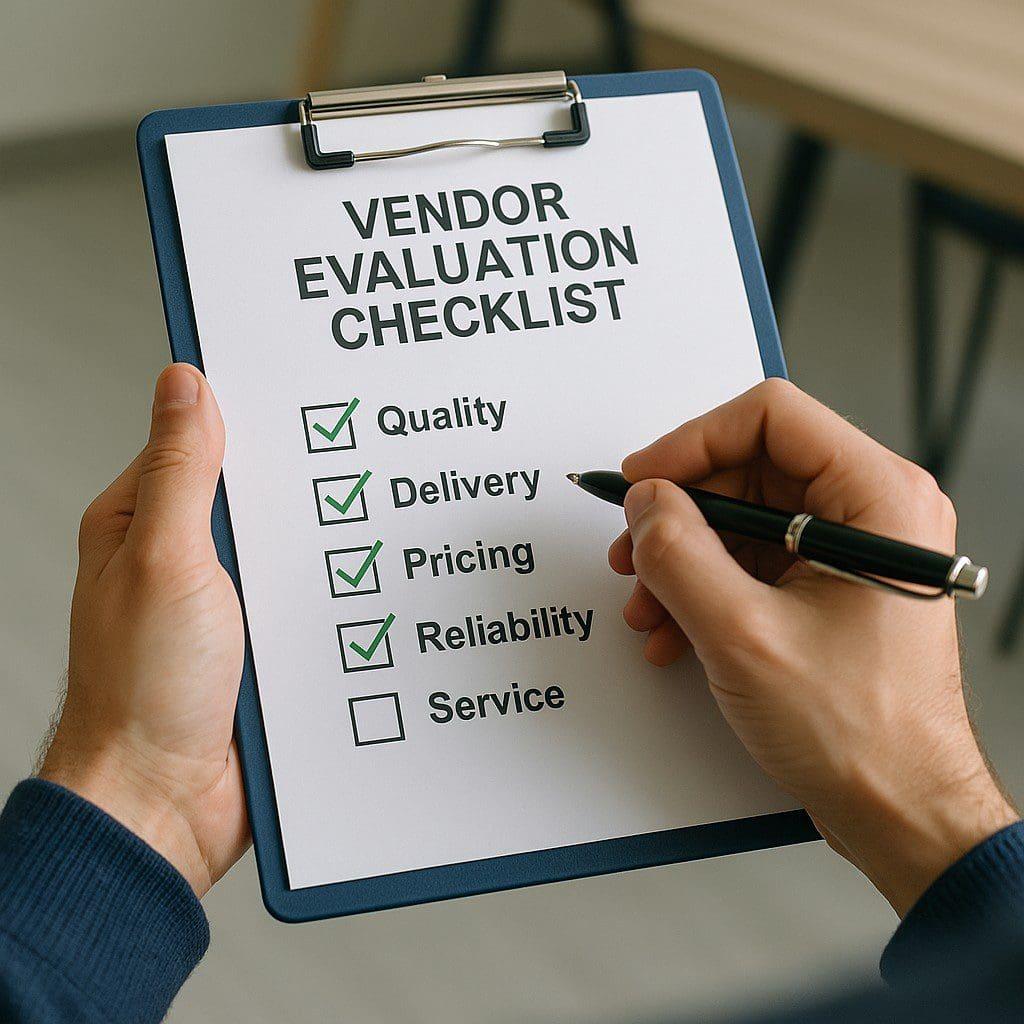
We document your sites, contracts, renewal dates, and where your team's hours go. Then we compare the suppliers we've vetted and bring you the two or three that fit, with the trade-offs written down.
What we typically recommend at this size: the full stack as a service on one monthly rate per site. Hardware, network software, security, ISP relationships, and operations sit under one contract and one accountable party, with pricing based on square footage rather than device count.
The two principals who run the sourcing bring nearly 50 years of combined telecom and channel experience. You can evaluate the method before committing: a documented discovery, a written comparison, supplier references you speak to directly, and a pilot before any wider rollout.
You decide. It costs you nothing — we're compensated by the supplier you select, not by you. If the comparison says your incumbent is the right answer, that's what the document will say.
Frequently Asked Questions
I read about both problems and I'm not sure which one I have.
That's what the assessment is for. Seven questions, about four minutes, no supplier contact triggered. It scores your answers and tells you which architecture fits, or tells you that neither does yet.What if I have both?
Some do. In that case the sequence matters more than the choice, because right-sizing capacity across seams nobody owns just relocates the problem. We'll tell you which one to solve first and why.We already have a network team. Why would we hand this over?
You're not handing over control. Your team keeps full visibility and continues to own policy and architecture, while day-to-day operations, maintenance, and lifecycle work move to the supplier. The reason enterprises do this isn't headcount reduction. It's redirecting network engineers from operations to security and AI work.Do I have to rip out my current carriers?
No. The capacity model consolidates the carriers you already have rather than replacing them. Where a change does make sense, you see the math first and decide. Nothing moves without your sign-off.What happens to the equipment we already own?
Depending on the supplier, existing equipment can be bought back as part of the transition rather than stranded. We inventory what you have during discovery and put the residual value into the comparison, so the number you see is the real switching cost rather than a best case.How long does a rollout take?
That depends on site count, cabling condition, and circuit lead times — and any supplier quoting a timeline before seeing your sites is guessing. Suppliers in this category cite deployment two to three times faster than legacy vendors. On the capacity side the move is staged rather than a flip-the-switch cutover. We scope it during discovery and recommend a pilot at a small number of sites before a wider rollout.How are you paid, and doesn't that bias the advice?
Many curated suppliers pay us, and we're on no single vendor's payroll. That's the opposite of a rep who only sells what one manufacturer makes. Our revenue depends on you staying a client for years, which only happens if the network keeps fitting.Why does the assessment ask about security, cloud and voice?
Because the problems do not stay in their lanes and neither should the questions.